Securing the Load: Preventative Upkeep Guide for Trailer Hitches
Corse Automotive • August 19, 2026
Hauling a heavy camper or utility trailer down the highway puts a massive amount of stress on the rear frame of your truck. Whether you are towing equipment for work or heading out for a weekend trip, a secure connection is absolutely mandatory. Corse Automotive installs top quality trailer hitches that handle the toughest hauling jobs across Cambridge. Protecting that vital towing connection through regular upkeep is the only way to prevent a disastrous separation on the road.
Many truck owners bolt on a receiver and completely forget about it until the metal starts grinding loudly during a sharp turn. Road grime, heavy rain, and the constant friction of towing all work together to weaken the mounting hardware over time. We put together this maintenance guide to help you keep your hauling equipment in perfect working order. Following these actionable checklists guarantees your load stays firmly attached to your bumper.
What We Cover In This Article:
- Immediate Aftercare Following a New Installation
- Ongoing Upkeep Habits for Heavy Haulers
- Common Mistakes That Weaken Towing Hardware
- How does towing heavy loads degrade the structural mounting points of a hitch?
- Maintaining Your Towing Confidence
Immediate Aftercare Following a New Installation
Right after our mechanics bolt up your new hauling gear, you need to establish a baseline for its condition. Checking the fresh hardware ensures everything is settling into place correctly.
- Inspect the torque: Verify the tightness of the main mounting bolts after your first heavy haul to ensure the initial stress did not loosen the factory hardware.
- Grease the receiver tube: Apply a thin layer of white lithium grease inside the main square opening to prevent the removable ball mount from seizing up with rust.
- Test the wiring harness: Plug in a test light to confirm the brake controller and signal pins are sending the correct voltage before hooking up a massive load.
Ongoing Upkeep Habits for Heavy Haulers
Routine visual checks prevent minor corrosion from destroying the structural integrity of the steel. Building these quick inspections into your monthly routine keeps you safe on Highway 401.
- Clean the electrical pins: Spray electrical contact cleaner into the seven pin connector to dissolve green copper corrosion that causes trailer brake failures.
- Check the safety chain loops: Look closely at the steel loops welded to the receiver to ensure the metal is not thinning out from chains dragging on the asphalt.
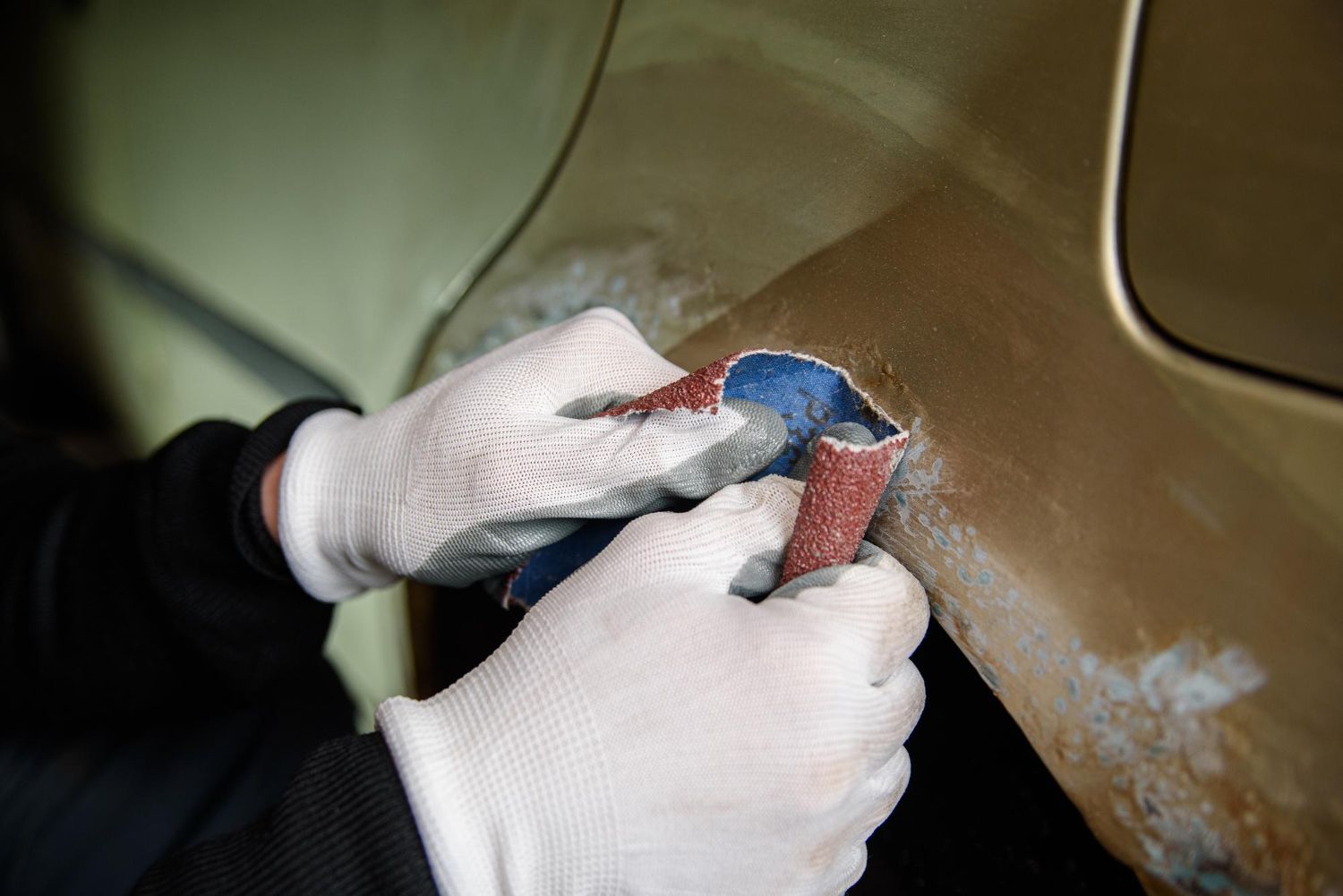
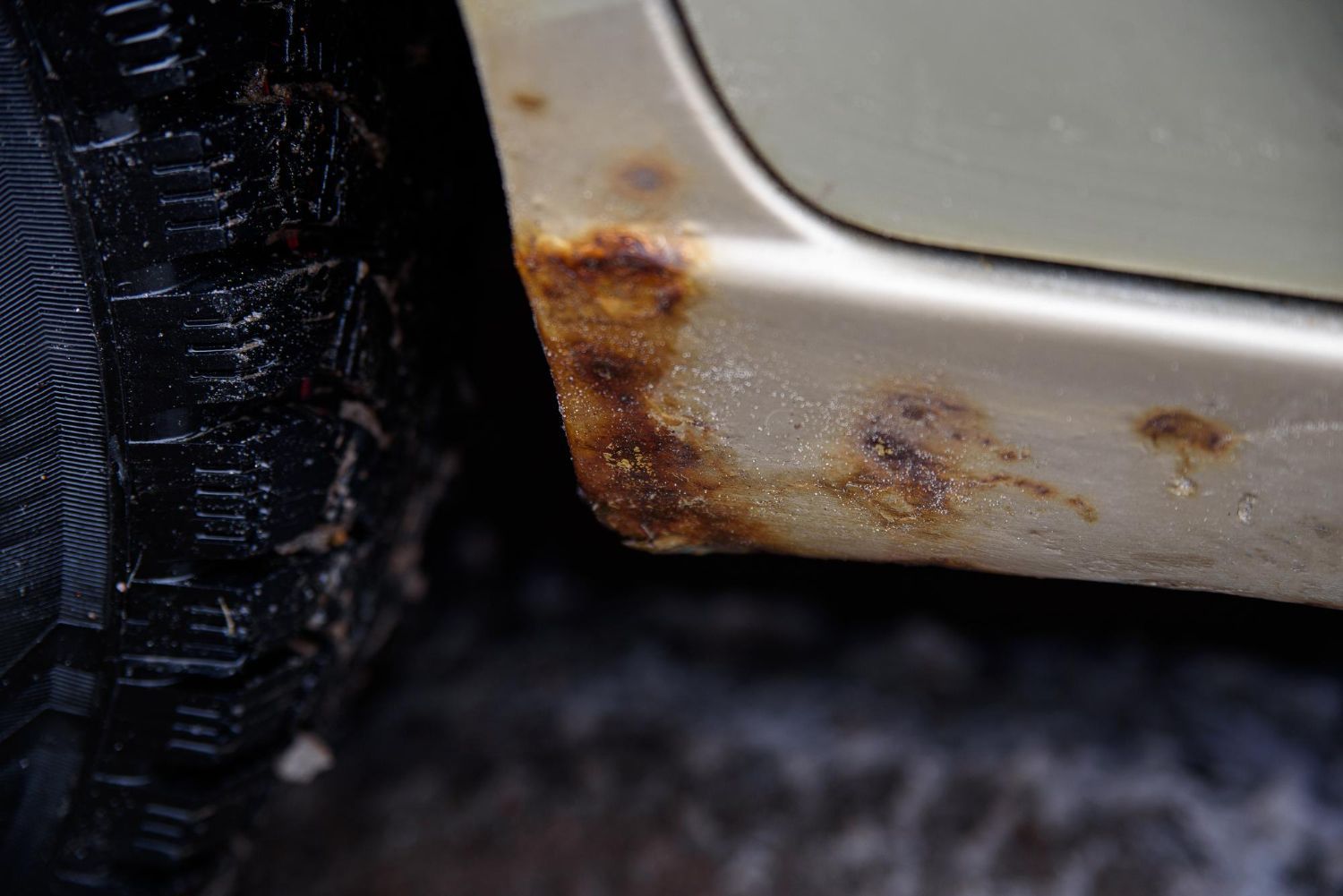
- Repaint exposed scratches: Use a wire brush to knock off any surface rust and hit the bare steel with gloss black rust paint to seal out moisture.
Common Mistakes That Weaken Towing Hardware
Drivers often accidentally ruin their expensive towing setups by ignoring basic mechanical limits. Knowing what to avoid prevents you from ripping the receiver straight off the truck frame.
- Leaving the ball mount installed: Keeping the ball mount locked in the receiver all winter allows road salt to weld the two pieces of steel together permanently.
- Exceeding the tongue weight: Dropping a massive load too far forward on the trailer pushes the bumper down and twists the mounting brackets beyond their rated capacity.
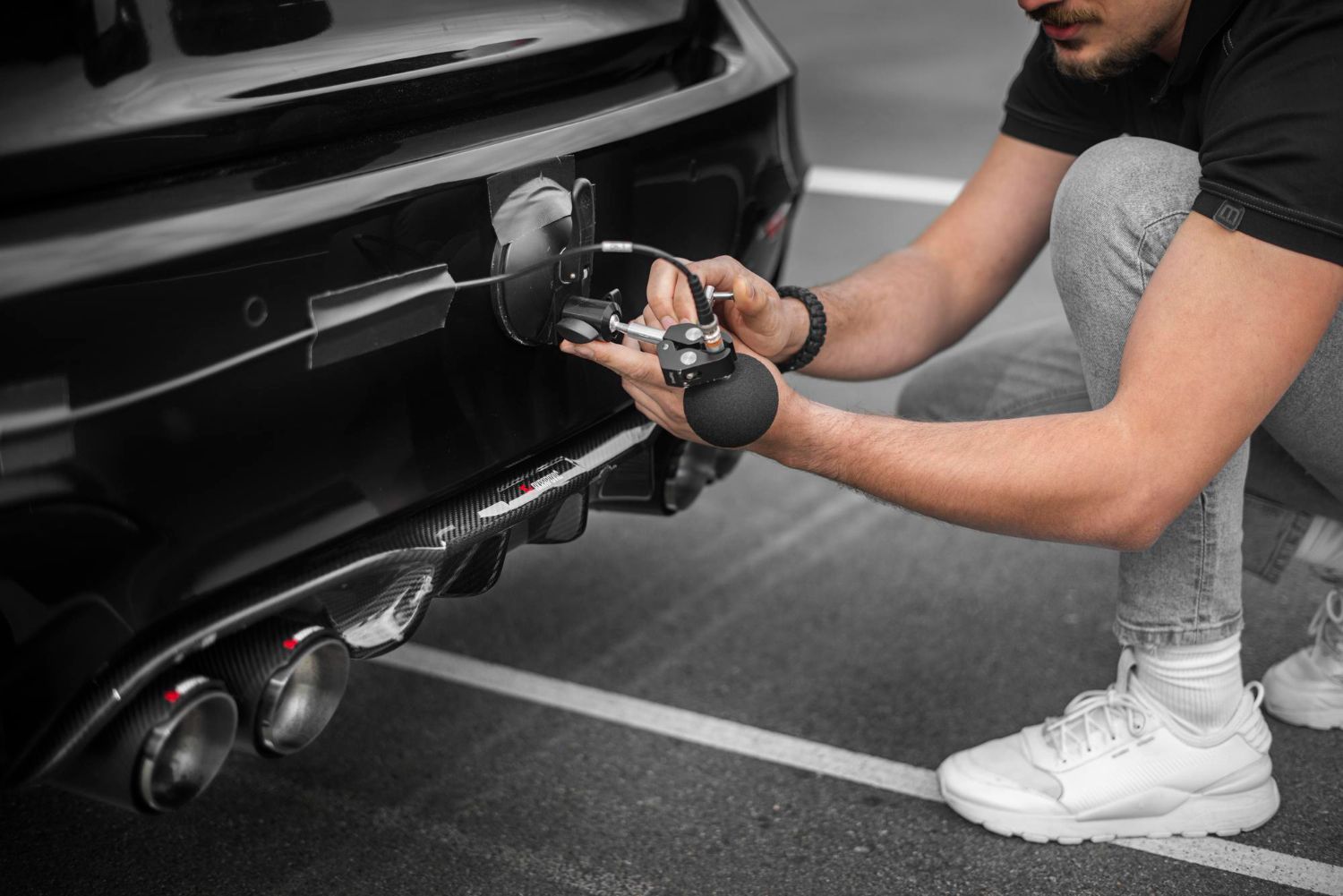
- Ignoring clunking noises: Brushing off loud metal banging sounds when accelerating means you are driving with a loose receiver pin that is slowly widening the locking hole.
► The single most important maintenance fact in the post is that towing a heavy load with a loose receiver pin acts like a slide hammer, slowly destroying the hitch pin hole until the metal rips open completely.
Working with heavy commercial vehicles requires an attention to detail that keeps businesses rolling without delay. This is something clients notice firsthand when they bring their work trucks into the shop.
►Client Experience: David Allan Grant shared "Just had an awesome experience at Corse. One of my fleet vehicles needed some repairs. Mike and his dedicated team got my truck back on the road promptly and at a fair price. Highly recommend."
Keeping work vehicles safe and fully operational is exactly why fleet managers rely on our mechanics.
How does towing heavy loads degrade the structural mounting points of a hitch?
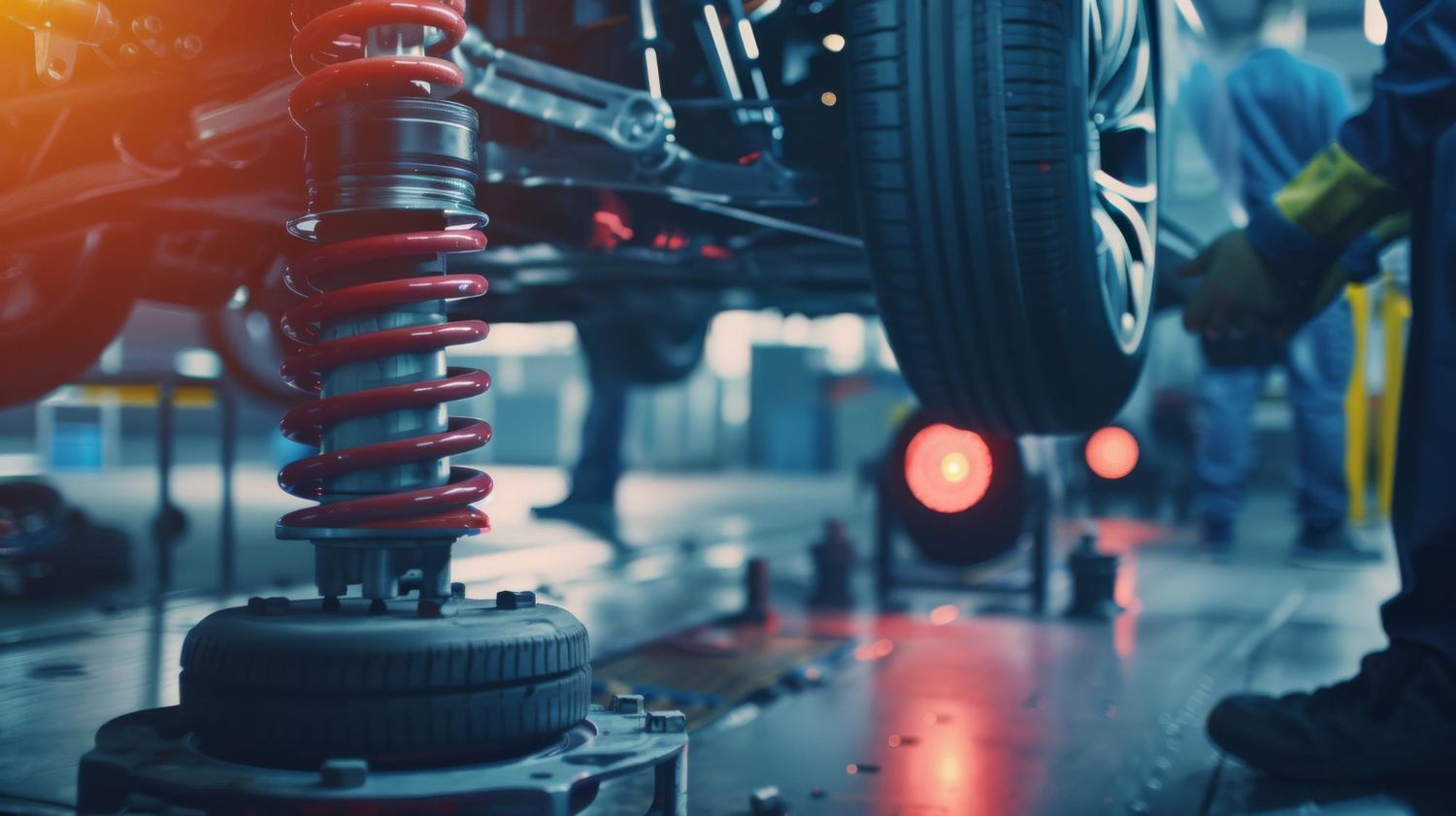
Every time you accelerate or hit the brakes with a heavy trailer attached, the massive kinetic energy pushes and pulls against the steel bolts holding the hitch to your truck frame. Over thousands of miles, this constant mechanical shifting can slowly back the threaded bolts out of the frame rails. The metal brackets can also experience fatigue cracking if the tongue weight constantly pushes down past the maximum rating of the vehicle suspension. Regular suspension work and checking the bolt torque ensures the hardware remains tightly clamped, transferring the load safely through the entire chassis rather than isolating it on a few loose bolts.
Maintaining Your Towing Confidence
Protecting your hauling equipment demands regular lubrication, rust prevention, and strict adherence to tongue weight limits. By keeping the electrical pins clean and removing the ball mount during the winter, you extend the lifespan of your heavy duty receiver. Call our garage today to have your mounting hardware inspected and get your truck ready for the hauling season.
Share This Blog