The Honest Reality of Color Matching During Professional Auto Painting
Corse Automotive • August 25, 2026
Getting your car back from the body shop should feel like picking up a brand new vehicle off the dealership lot. However, when Cambridge drivers request a paint fix on a ten year old car, they often expect the fresh spray to magically match the faded factory coat without any extra effort. At Corse Automotive, our certified bodywork technicians use advanced technology to restore your vehicle to pristine condition. Understanding the actual science behind professional auto painting sets the stage for a flawless restoration.
Many car owners believe that mechanics simply look up a factory paint code, load a spray gun, and hit the damaged door in twenty minutes. In reality, automotive finishes change drastically over years of sun exposure and chemical washes. We want to explain the highly clinical process of shade mixing and surface blending that happens in the paint booth. Exploring the truth about color matching ensures you know exactly what goes into a high quality collision repair.
What We Cover In This Article:
- The Myth of the Perfect Factory Paint Code
- The Critical Necessity of Panel Blending
- Frequently Asked Questions
- Delivering a Flawless Exterior Finish
The Myth of the Perfect Factory Paint Code
A common overestimation is that mixing a batch of paint using the original manufacturer code will result in a completely invisible repair on an older car. The moment a new vehicle rolls out of the factory, the ultraviolet rays from the sun begin slowly baking the clear coat and bleaching the base color. After five years of driving around Ontario, a vibrant red hood will actually read as a slightly dull, hazy pink under a microscopic spectrometer. If a painter simply sprays the factory red onto a replacement fender, the new panel will stick out like a sore thumb against the rest of the faded vehicle.
→ From a professional standpoint: Master painters use digital camera spectrometers to scan the adjacent panels of your car, creating a custom tinted formula that matches the exact level of current sun fade.
The Critical Necessity of Panel Blending
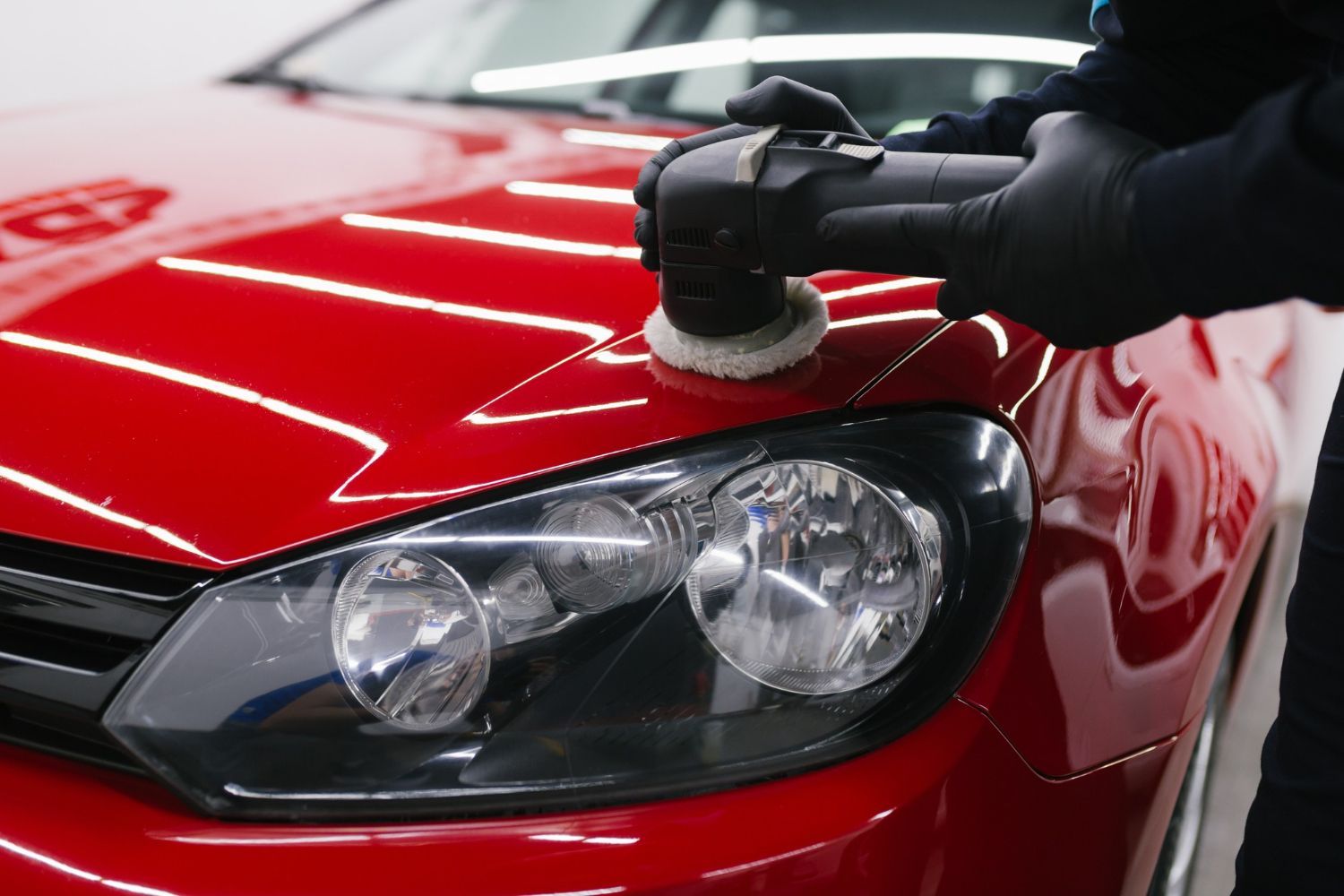
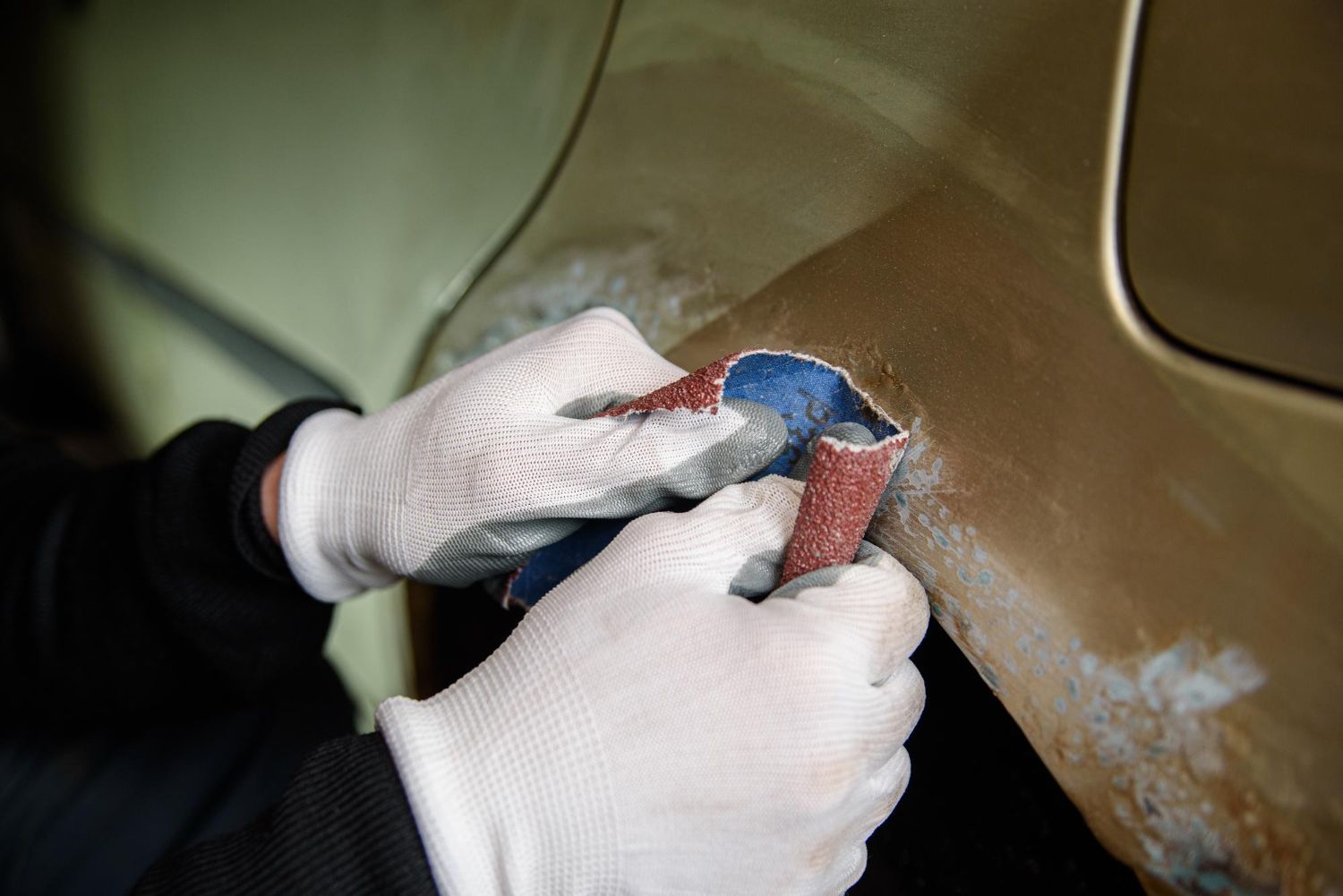
Even with a highly customized digital mix, spraying a single door and stopping at a hard edge will trick the human eye into seeing a slight color difference. Light reflects off metallic flakes differently depending on how the spray gun was angled during application. To eliminate this visual trick, technicians perform a technique called blending. They spray the fresh color onto the repaired area and lightly feather the edges of the paint out into the adjacent, undamaged panels. They then cover the entire side of the car with a fresh layer of clear coat to lock everything in.
→ A quick tip to remember: Refusing to pay for panel blending means you will always see a distinct line where the fresh repair stops and the old paint begins.
Delivering an invisible repair requires intense patience and a deep understanding of automotive surface chemistry. This is a pattern the team at Corse Automotive hears regularly from drivers needing seamless collision fixes.
►Client Experience: Joel McDonough shared "Mike and his team are amazing. We have our tires changed each season, oil changes and have had our car door painted due to being hit in a parking lot. For all your vehicle needs I highly recommend Corse Automotive"
Bringing damaged doors back to life with precise color accuracy is exactly why Joel trusts our bodywork specialists.
Frequently Asked Questions
Why is blending necessary when painting a single car panel?
Blending tricks the eye by creating a gradual gradient between the new, highly pigmented paint and the older, slightly oxidized paint on the surrounding doors. Without this feathering technique, the microscopic metallic flakes in the new paint will lay down at a different angle than the factory flakes, causing the repaired door to look significantly darker or lighter from different viewing angles.
Does UV sun damage permanently alter the original vehicle color code?
Yes. Ultraviolet radiation degrades the chemical binders in automotive paint, causing the pigments to slowly break down and shift in tone over years of outdoor parking. White cars tend to turn slightly yellow or chalky, while black cars take on a grey or hazy blue hue. A factory paint code simply acts as a starting recipe before the painter manually tints the batch to match the current UV damage.
How long does fresh automotive clear coat take to fully cure?
While a freshly painted car is safe to drive within a few days of leaving the heated paint booth, the clear coat requires between thirty and ninety days to outgas and cure completely. During this curing window, you should only wash the car gently by hand with mild soap and water. Applying harsh chemical waxes or taking the vehicle through an automatic brush wash can permanently scratch the soft, unhardened clear coat.
Delivering a Flawless Exterior Finish
Achieving an invisible collision repair demands precise spectrometer scanning, custom tinting, and skilled panel blending techniques. By understanding that matching older paint is a highly customized process, you can appreciate the craftsmanship required to restore your ride. Call our auto body experts today to request an estimate and get your vehicle looking factory fresh once again.
Share This Blog