Maximizing Winter Tread Life: Tire Sales & Storage Maintenance Guide
Corse Automotive • October 28, 2026
Stop premature tread wear before the season changes. Master these preventative upkeep habits following premium tire sales and storage services in Cambridge today. Investing in a fresh set of rubber changes the way your vehicle handles rough roads entirely. After securing new treads from Corse Automotive, many drivers fail to realize that proper upkeep is necessary to reach the full mileage warranty. We provide premium tire sales and storage solutions that keep your wheels protected year round. Maintaining your new purchase ensures you never lose traction when you need it most.
Ignoring basic wheel maintenance leads to dangerous blowouts and incredibly uneven wear patterns. Throwing your off season rubber into a damp shed guarantees the sidewalls will rot before you mount them again next year. We created this specific maintenance guide to help you protect your investment. Following these habits extends the life of your rubber and saves you money.
In This Article:
- Immediate Aftercare for New Rubber
- Ongoing Upkeep Habits for Daily Drivers
- Common Mistakes That Destroy Tread Life
- How does a climate-controlled environment prevent tire dry rot during summer?
- Preserving Your Road Grip
Immediate Aftercare for New Rubber
Once your fresh set is bolted on, you need to monitor how the vehicle responds. Paying attention during the first few days ensures the mounting and balancing process was perfect.
- Listen for highway vibrations:
Drive up to cruising speed and feel for any shaking in the steering wheel, which means a balancing weight may have shifted.
- Check the lug nuts:
After driving fifty miles, verify that the lug nuts remain tightly torqued to the wheel hub so the rim does not loosen.
- Verify the baseline pressure: Use a manual gauge to check the cold air pressure on the first morning to establish a proper baseline for future checks.
Ongoing Upkeep Habits for Daily Drivers
Building simple checks into your regular routine stops uneven wear before it ruins the entire set. A few minutes of effort a month makes a massive difference in longevity.
- Rotate the set regularly: Ask your mechanic to rotate the wheels from front to back every time you get an oil change to distribute the wear evenly.
- Check for sidewall bubbles: Inspect the outer rubber walls for any bulging spots that indicate the internal steel belts snapped after hitting a curb.
- Measure the tread depth: Use a simple coin test in the main grooves to ensure you still have enough tread depth to safely push water away from the contact patch.
Proper storage and seasonal swaps keep your vehicle safe without cluttering up your garage. This is something clients notice firsthand when they utilize our facility.
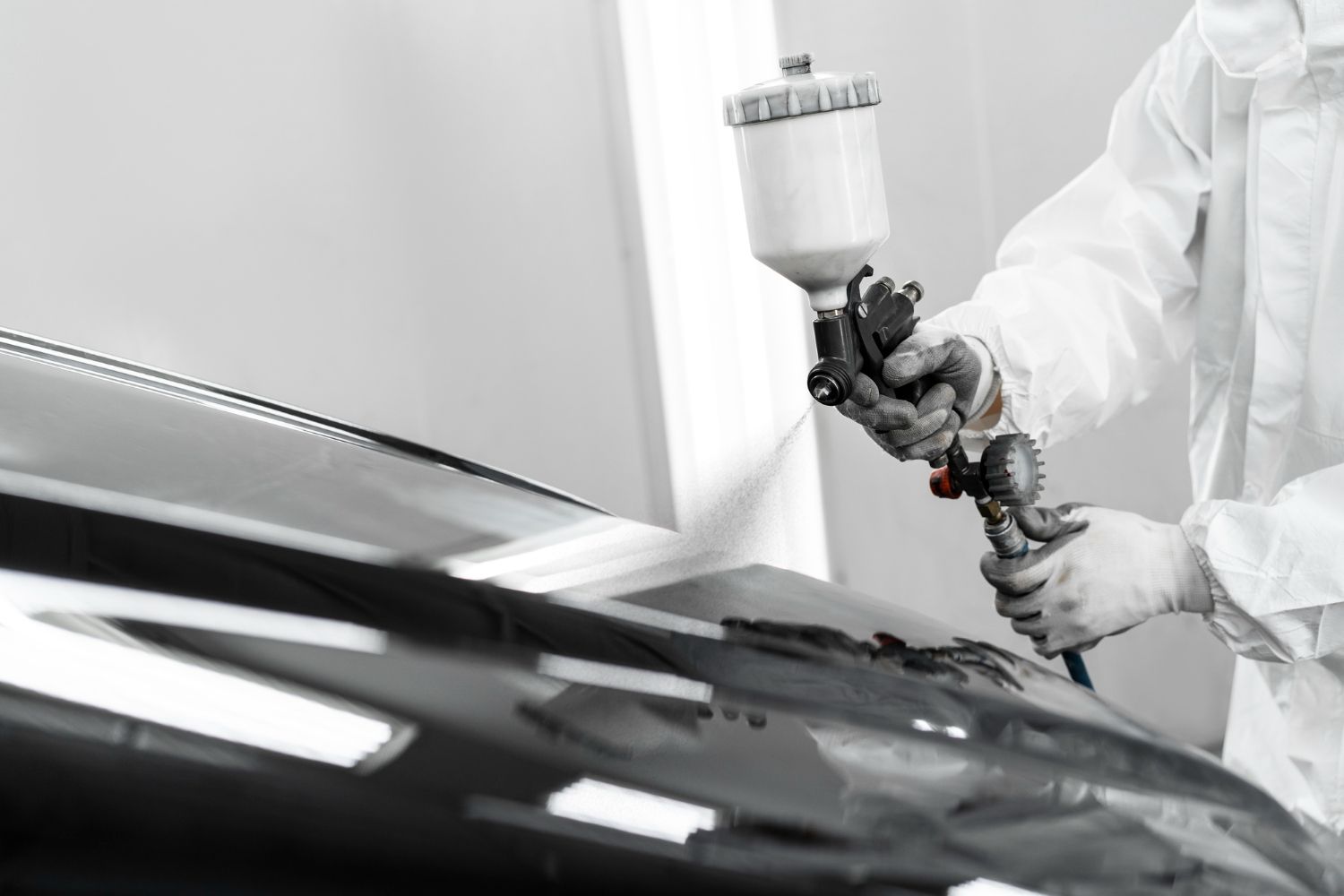
►Client Experience: Joel McDonough shared "Mike and his team are amazing. We have our tires changed each season, oil changes and have had our car door painted. For all your vehicle needs I highly recommend Corse Automotive."
Handling the heavy lifting and keeping seasonal rubber secure is exactly why Joel counts on our team.
Common Mistakes That Destroy Tread Life
Drivers routinely shorten the life of their wheels by ignoring basic physical limits. Knowing what to avoid prevents you from replacing your set thousands of miles early.
- Ignoring low pressure lights:
Driving on an underinflated tire causes the rubber to overheat rapidly, which weakens the sidewall and leads to a high speed blowout.
- Storing rubber in direct sunlight: Leaving your off season set sitting outside in the yard allows the ultraviolet rays to bake the natural oils out of the rubber compounds.
- Skipping suspension checks: Ignoring bad shocks causes the wheel to bounce wildly, scrubbing the tread off in uneven, choppy patches.
► The single most important maintenance fact is that storing tires near an electric motor, like a basement furnace or air compressor, exposes the rubber to ozone gas which causes severe cracking.
How does a climate-controlled environment prevent tire dry rot during summer?
Rubber is an organic material that slowly degrades when exposed to extreme heat and fluctuating humidity. When winter rubber is stored in a hot, unventilated shed during the summer, the volatile chemical compounds inside the tire evaporate. This drying process causes the sidewalls to become brittle and develop deep cracks, known as dry rot. A climate controlled storage facility keeps the ambient temperature and humidity perfectly stable, preserving the essential oils inside the rubber so the tires remain flexible and safe to use the following season.
Preserving Your Road Grip
Getting the most out of your rubber requires consistent pressure checks, routine rotations, and proper off season storage. By keeping your wheels balanced and away from harsh elements, you guarantee maximum traction in all conditions. Call our shop today to ask about our professional storage facility and keep your wheels in perfect shape year round.
Share This Blog