Diagnosing That Highway Humming Noise: Tires vs. Wheel Bearings
Corse Automotive • November 18, 2026
Noticing a dull roar while driving down the highway usually leads vehicle owners to suspect an issue with their tires. Cupped treads and uneven wear patterns certainly create a racket, but they are not the only culprits behind front-end vibrations. The technicians at Corse Automotive frequently test-drive vehicles for customers who bought new tires hoping to fix a noise, only to find the sound is still there. Misdiagnosing wheel bearing noise often leads to wasted money and overlooked safety hazards.
The actual source of that rotational grinding is often buried deeper within the steering knuckle. Understanding how a heavy vehicle distributes its weight across moving parts helps explain why certain components become vocal as they fail. This overview breaks down the mechanical realities of hub assemblies and how to correctly identify front-end road noise.
In this breakdown, we look at:
- The function of hub assemblies
- Differentiating tire sounds from mechanical failures
- The impact of failing bearings on handling
- The inspection and replacement process
The Hidden Function of Hub Assemblies
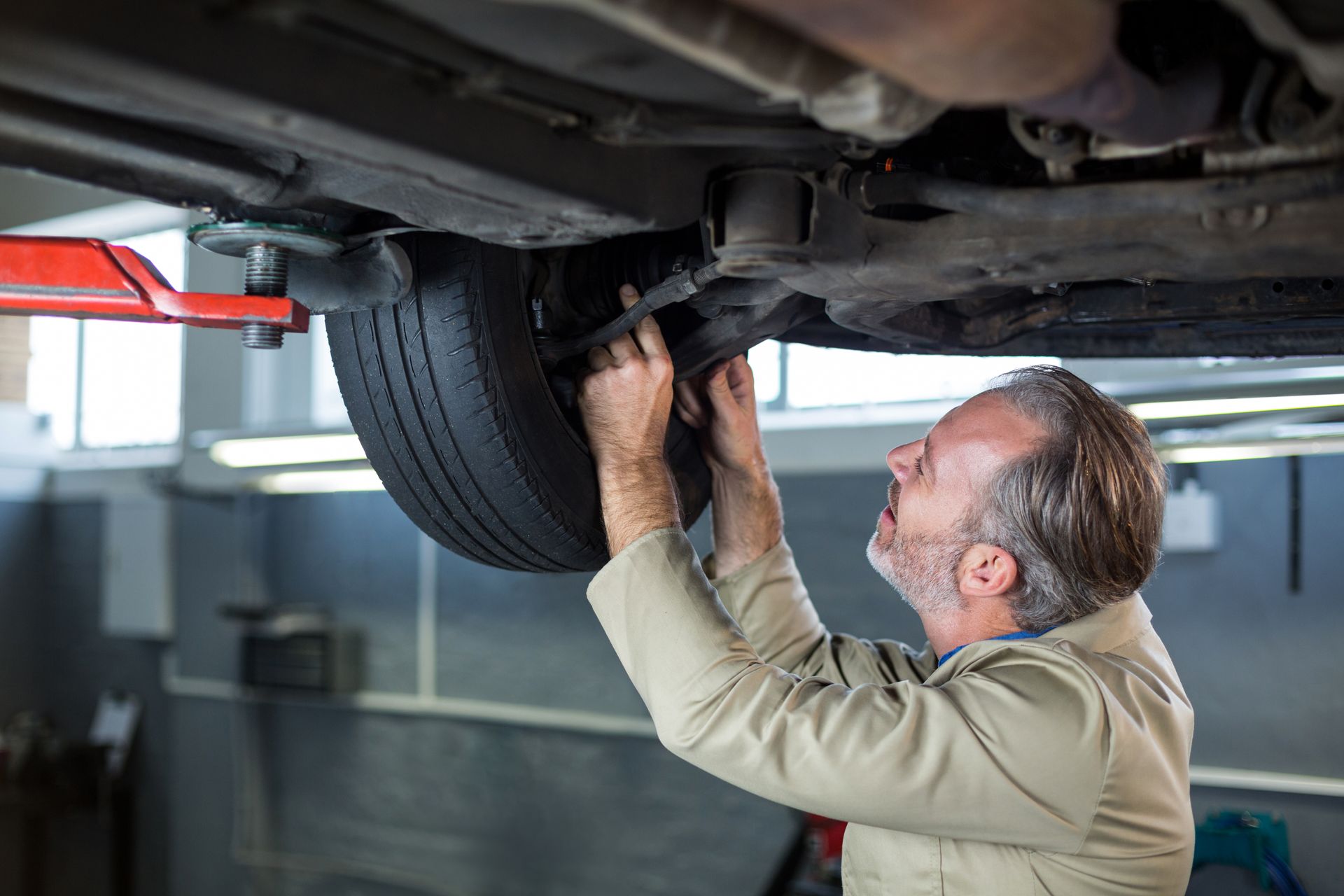
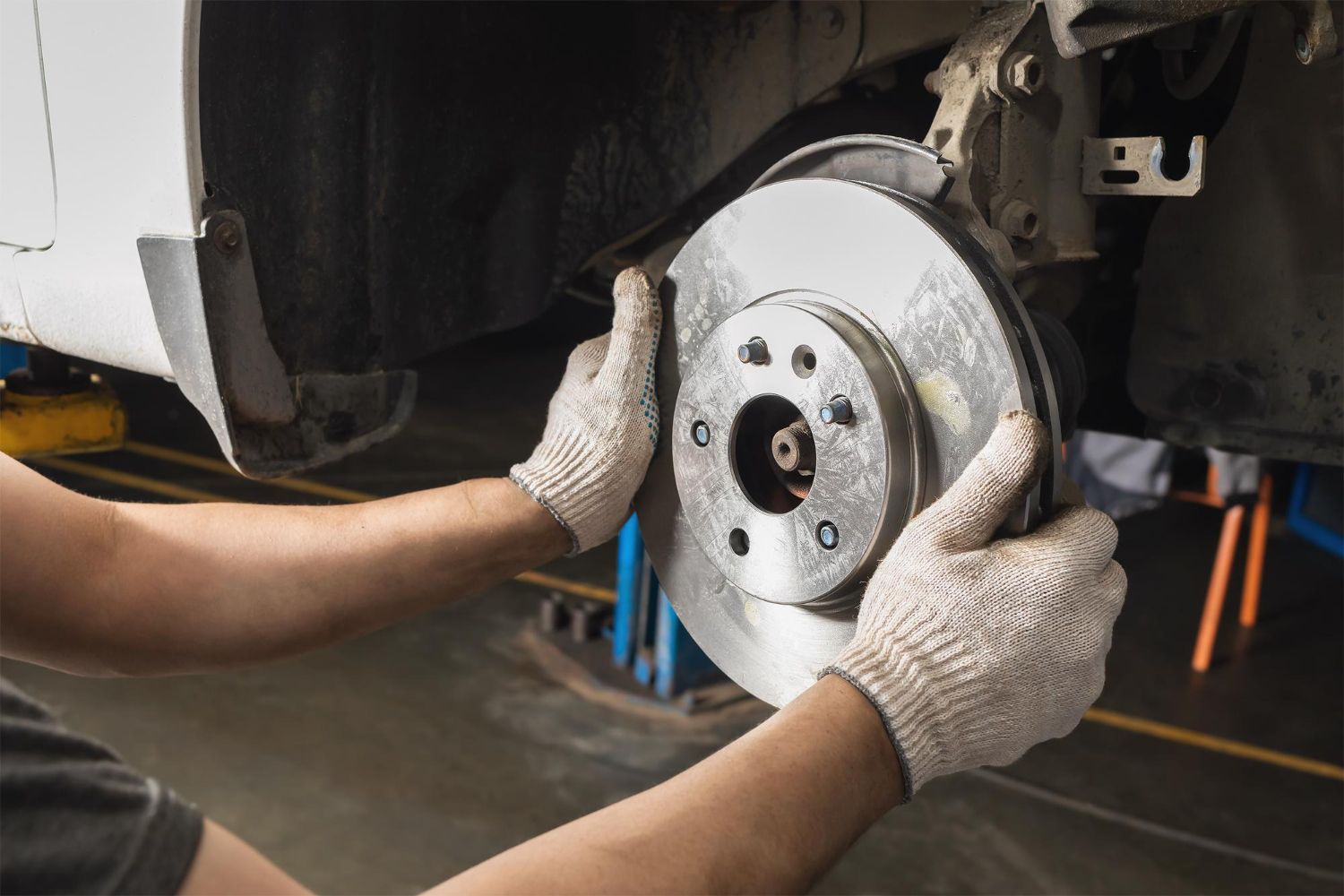
Your wheels do not simply bolt onto a solid axle and spin freely. They are mounted to a complex hub assembly packed with tightly clustered steel balls or rollers set in a grease-filled ring. These bearings are responsible for supporting the entire weight of your vehicle while allowing the wheels to rotate with zero friction. Over time, the internal grease breaks down and the tight tolerances loosen. When the smooth metal surfaces begin to pit and scar, the resulting friction translates directly into heat and sound.
Diagnosing Wheel Bearing Noise on the Highway
When drivers ask why their car makes a humming noise when driving fast, the answer usually lies in these deteriorating steel rollers. A failing hub assembly generates a distinct, low-pitched drone that grows louder as your speed increases. Unlike tire noise, which remains relatively constant, a worn bearing often shifts in volume when you change lanes or navigate a curve. If the humming gets significantly louder when you steer slightly to the left, the increased weight transfer points directly to a failing bearing on the right side of the vehicle.
Secondary Symptoms Beyond the Sound
Relying solely on your ears can sometimes be tricky on the rougher roads around Cambridge. As the internal damage worsens, the friction begins to create physical feedback through the steering column. You might notice a subtle vibration in the steering wheel or a looseness in the front end when going over bumps. In severe cases, the excess heat and wobble can trigger an ABS warning light on your dashboard. Ignoring these secondary symptoms forces the rest of your suspension components to absorb stresses they were not designed to handle.
Connecting Hub Health to Overall Suspension
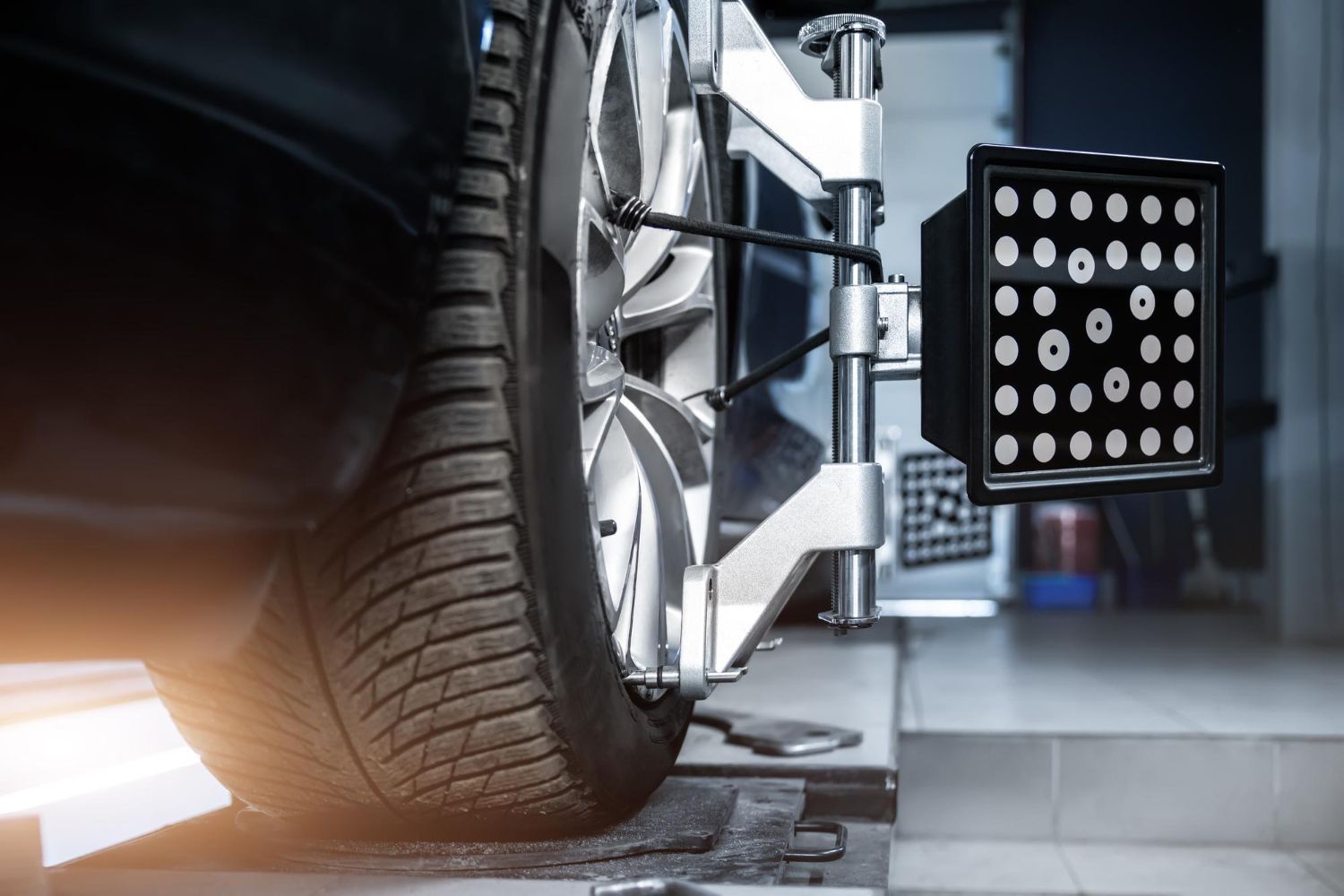
A wobbling hub assembly actively works against the rest of your steering geometry. The constant lateral movement accelerates wear on your control arms, ball joints, and tie rods. This makes prompt replacement critical for avoiding a domino effect of front-end failures. After a new assembly is pressed into place, performing a fresh wheel alignment ensures the wheel tracks perfectly straight. Addressing the root cause protects your investment in both your suspension work and your tire lifespan.
Stopping Rotational Wear Before It Escalates
Correctly identifying the source of front-end droning keeps you from replacing perfectly good tires unnecessarily. Paying close attention to how your car sounds and feels at highway speeds gives you the advantage of early detection. Never ignore a growing hum or vibration from your wheels during your daily commute.
Schedule a professional diagnostic drive to pinpoint the exact worn component and restore your smooth ride.
Share This Blog