Why Tread Depth Isn't the Only Sign You Need New Winter Tires
Corse Automotive • November 4, 2026
A visual inspection of your tires only tells part of the story when preparing for cold weather. Many drivers look at the deep grooves on their current set and assume they are ready for another harsh season on the road. The crew at Corse Automotive frequently inspects tires that look perfectly fine on the surface but are actually unsafe for winter driving conditions. Understanding what makes a tire truly capable of handling freezing temperatures is the first step in planning your winter tire replacement this year.
Tread depth is definitely a major factor in grip, but the physical composition of the rubber is equally critical. As tires age, the materials degrade and lose their ability to flex and grip the pavement when the temperature drops. This guide breaks down the physical changes your tires undergo and what you actually need to check before committing to new tires.
Here is what we cover below:
- Rubber hardening: Why tread depth is not enough
- Uneven wear patterns: Spotting alignment issues
- Storage factors: How off-season care impacts lifespan
- Proper timing: When to make the change
Why Deep Tread Does Not Guarantee Winter Safety
People often ask if they need new winter tires if they still have good tread left. The direct answer is that tread depth alone cannot overcome hardened rubber. Winter tires are engineered with specialized rubber compounds designed to stay soft and pliable in sub-zero temperatures. When a tire gets too old, usually past the five or six-year mark, that rubber begins to harden permanently. Hardened tires slide across cold pavement and ice, completely negating the benefit of those deep tread blocks.
Spotting the Warning Signs of Aging Rubber
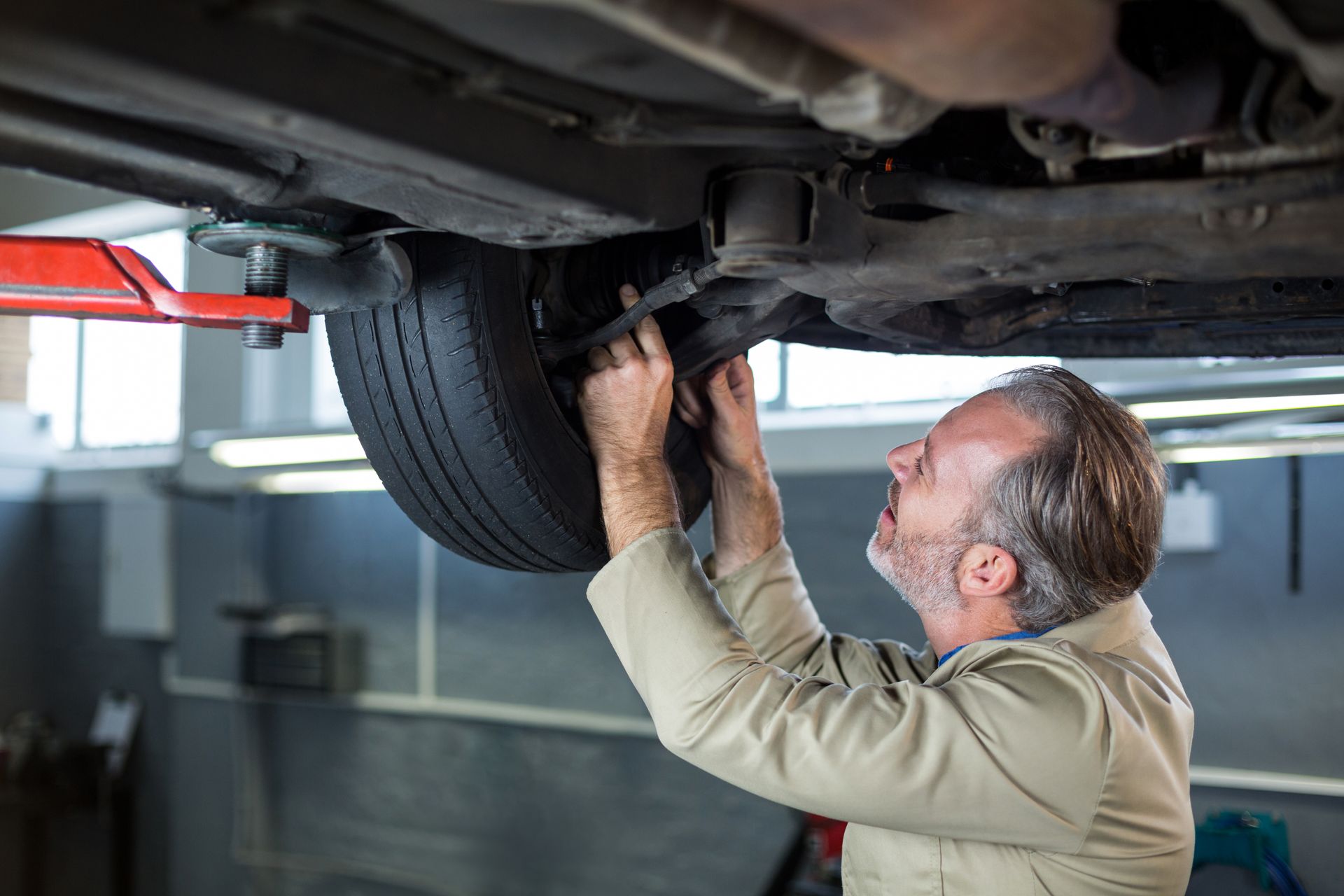
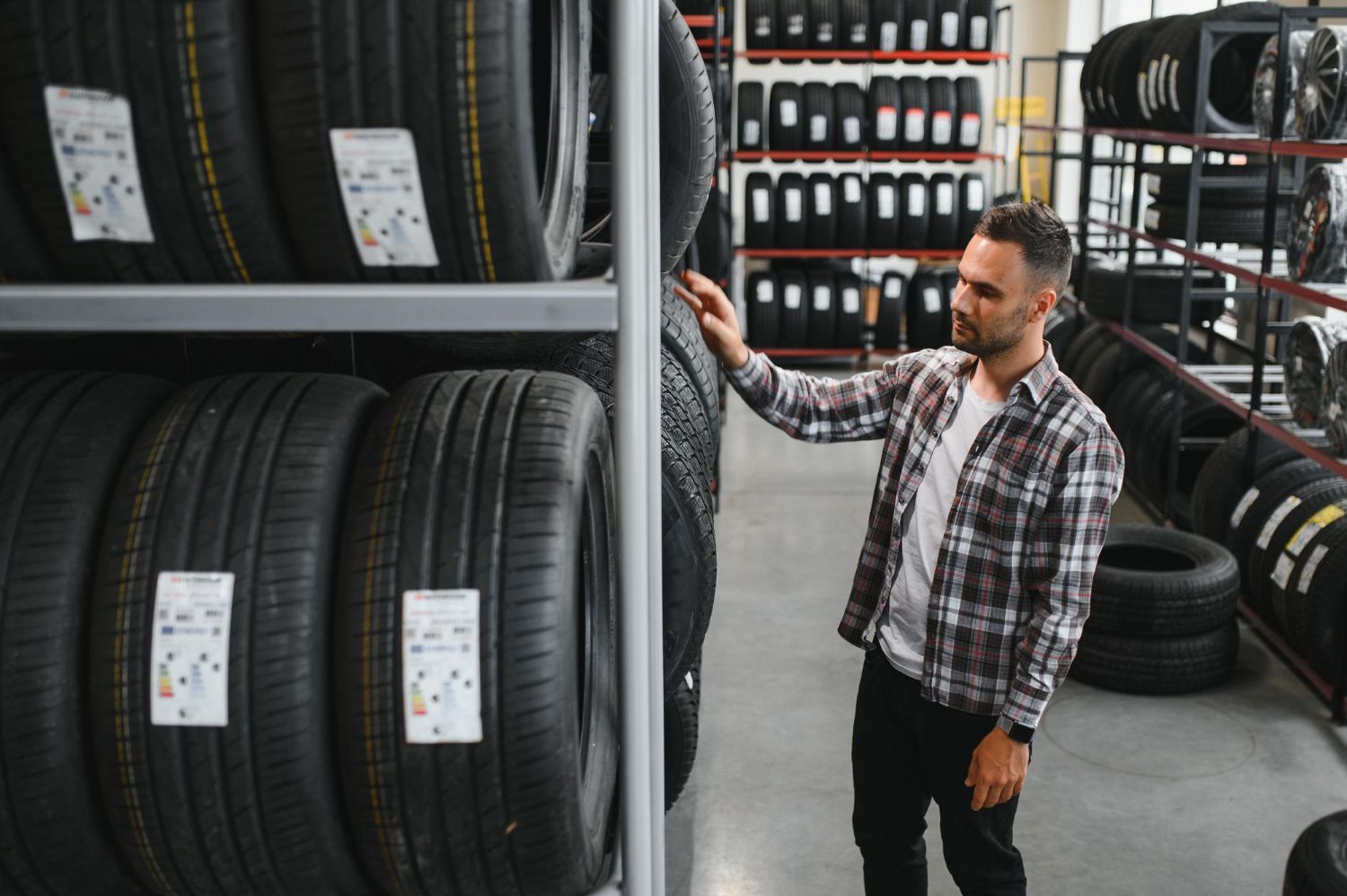
Checking the date code on the sidewall gives you a baseline for the tire's age. Beyond the date, you need to look for physical signs of dry rot. Tiny cracks along the sidewall or between the tread blocks indicate that the rubber has dried out. When we inspect vehicles in Cambridge, we often find sets that have plenty of tread but are compromised by this structural breakdown. Driving on cracked tires increases the risk of a blowout, especially when dealing with hidden potholes under the snow.
Our customers rely on honest assessments when it comes to vehicle safety. We always take the time to show you exactly what is going on with your components.
► Client Experience: Best place to get your vehicle repairs done. Highly recommend. Mike and Aaron are great to deal with. No cutting corners. Straight to the point. Very friendly. Number 1 place to go. They are very accommodating. - JB
Knowing you have a team giving you straight facts helps you make informed decisions about your vehicle.
How Alignment Impacts Tire Wear
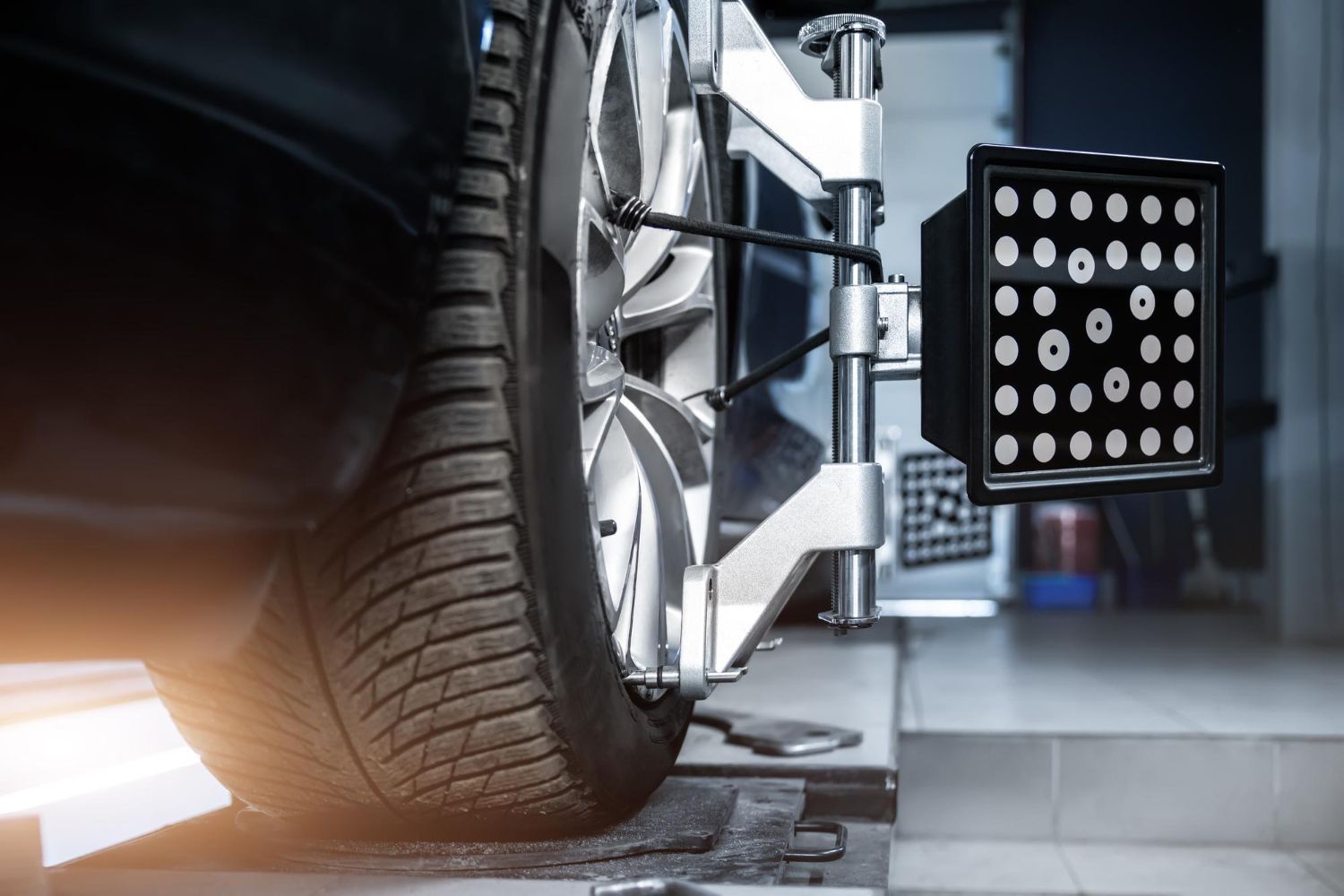
Tread wear patterns provide clear clues about your vehicle's overall suspension health. If you notice the inside or outside edges of your tires wearing down faster than the center, you likely have a suspension or alignment issue. Putting a brand new set of winter tires on a misaligned vehicle will quickly chew through the fresh tread. A quick wheel alignment check before mounting your seasonal set ensures your investment lasts as long as possible.
The Role of Off-Season Care
How you treat your winter tires during the summer plays a massive role in their longevity. Tires left in a hot shed or exposed to direct sunlight will dry out and harden much faster than those kept in a climate-controlled environment. If you lack the space for proper upkeep, utilizing a dedicated tire storage service keeps the rubber out of the elements. Proper storage prevents premature aging and ensures your winter set is ready to perform when the snow arrives.
Planning Your Winter Tire Replacement
Evaluating the age, rubber condition, and wear patterns provides a complete picture of your tire health. Taking the time to properly inspect these elements prevents dangerous sliding situations at intersections and highway off-ramps. Knowing exactly what to look for keeps you from driving on compromised rubber when the harsh weather hits. Have an experienced technician perform a detailed inspection to confirm your vehicle is truly ready for the dropping temperatures. Reach out to schedule your tire inspection and ensure your daily commute remains safe all season long.
Share This Blog