Why Spray-On Undercoating Won't Stop Existing Wheel Well Rust
Corse Automotive • November 10, 2026
Spotting a bubble of rust on your fender usually triggers an immediate desire to cover it up before the winter salt hits. A common reaction is heading to the auto parts store for a can of rubberized undercoating to spray over the affected area. At Corse Automotive, we regularly see the long-term damage caused by this quick fix. Masking corrosion with a surface coating creates far bigger problems underneath the paint than most drivers realize.
The chemical process of oxidation does not simply stop because it is blocked from view. Understanding the difference between rust prevention and proper wheel well rust repair is critical for protecting the structural integrity of your vehicle. This breakdown explains the reality of surface treatments and the proper way to handle automotive corrosion.
What you will learn in this article:
- The mechanics of metal oxidation
- Why surface coatings fail on existing rust
- The professional method for permanent removal
- Steps for true winter protection
The Mechanics of Metal Oxidation
Rust requires three things to thrive: iron, oxygen, and water. The road salt applied heavily across Cambridge acts as a catalyst that speeds up this chemical reaction. Once the factory paint and clear coat are compromised by a stone chip or scratch, the bare metal is exposed to the elements. The rust begins to eat away at the steel, slowly spreading outward and inward. This is not just an eyesore but a structural issue that weakens the panels of your vehicle.
Why Sprays Fail as Wheel Well Rust Repair
Drivers often wonder if undercoating will stop rust from spreading on a car once it has already started. The truth is that applying any type of rubberized or tar-based spray over active corrosion actually accelerates the rotting process. These products are designed to seal surfaces, which means they trap existing moisture and oxygen directly against the raw metal. The rust continues to expand silently beneath the thick black coating until the metal completely disintegrates. Relying on a spray can for a fix is a temporary visual trick that guarantees a more expensive repair later on.
The Professional Method for Permanent Removal
Stopping rust requires completely removing the oxidized metal before any new coatings are applied. This involves grinding down the affected area to clean, bare steel. If the rust has eaten completely through the panel, the damaged section must be cut out entirely and replaced with fresh metal through professional bodywork. Only after the active corrosion is entirely gone can we apply a high-quality, rust-inhibiting primer to seal the repair. This level of physical correction is the only way to ensure the damage does not return the following season.
Proper Finishing and Color Matching
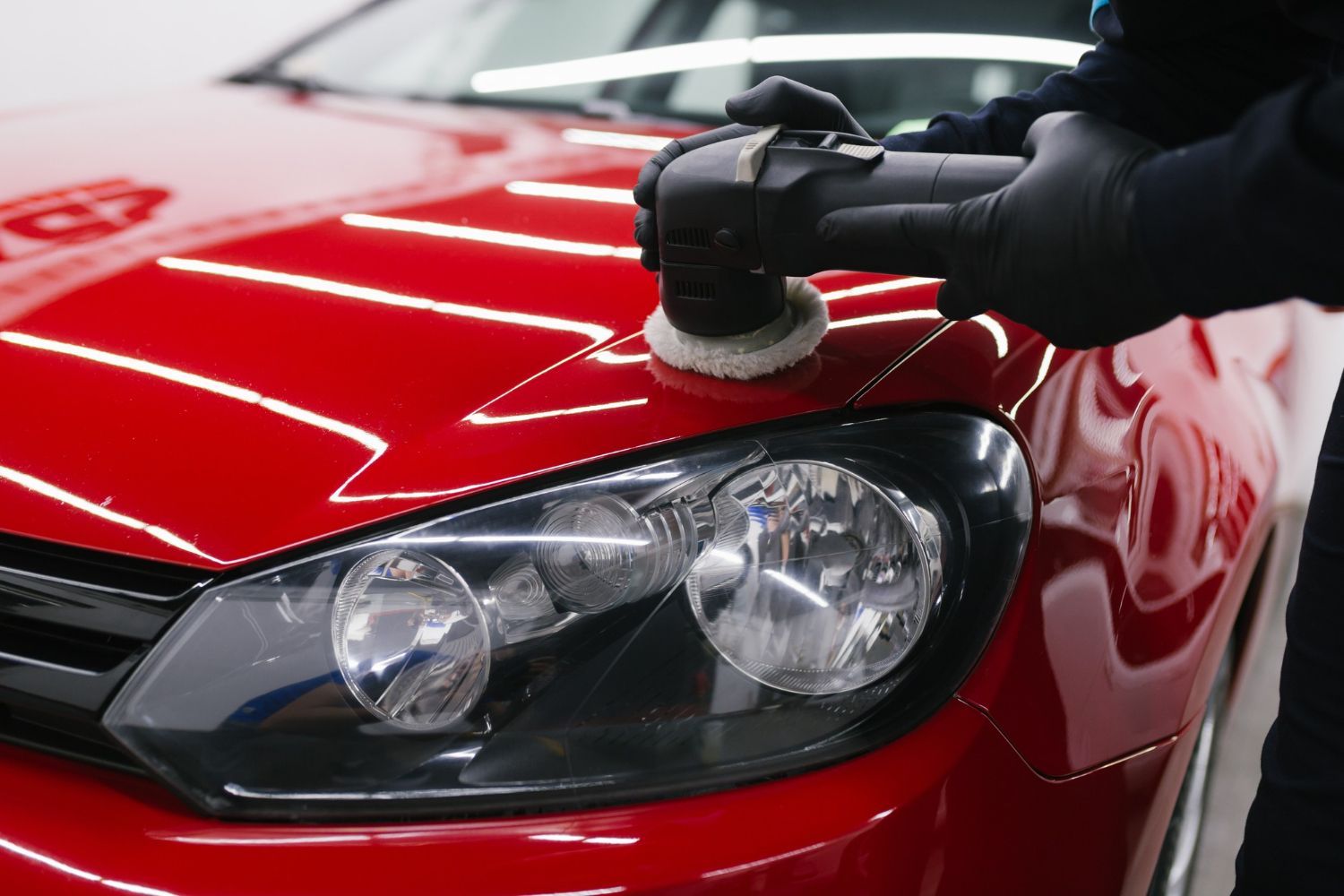
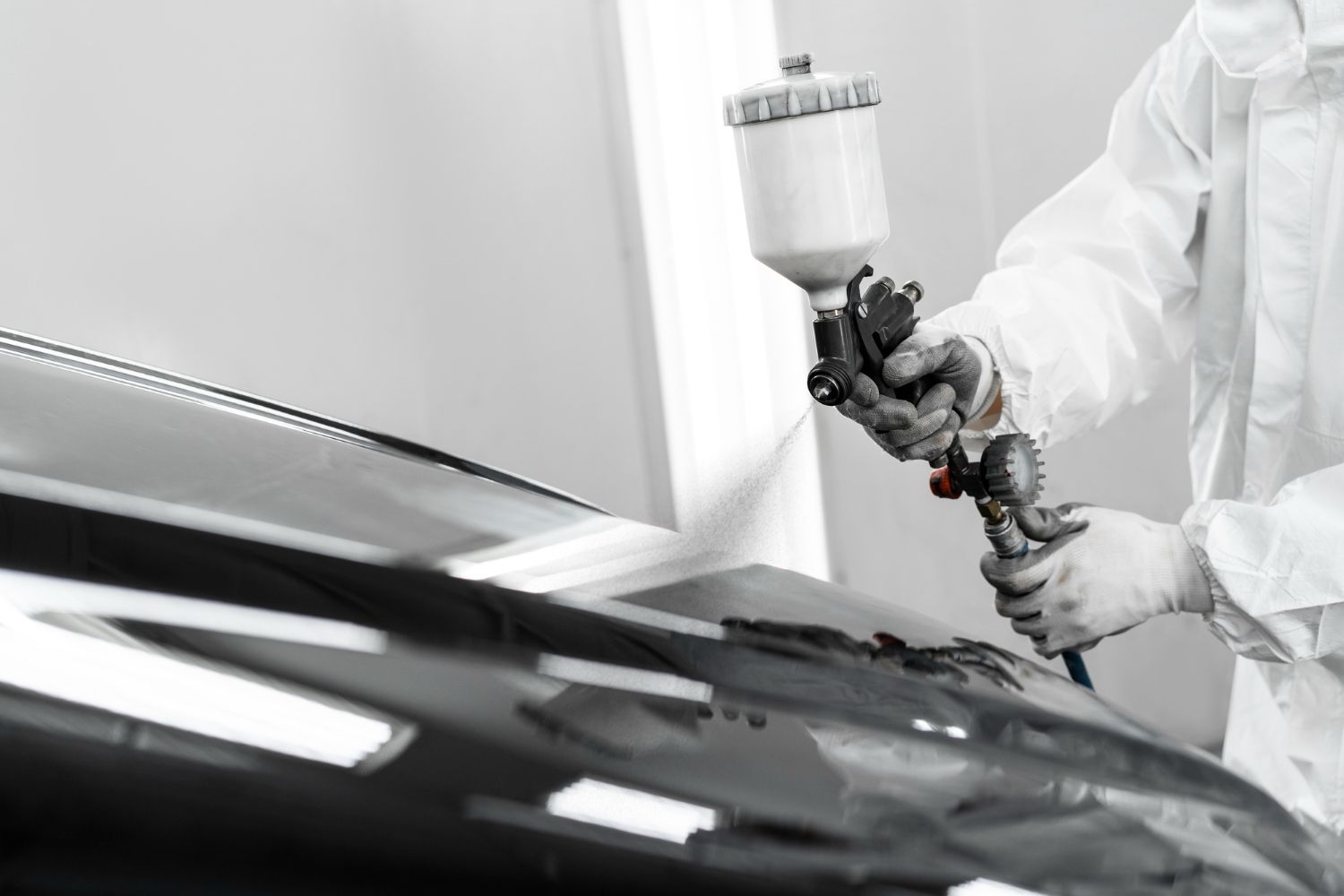
Once the physical repair is complete, the vehicle needs proper sealing to match the original factory protection. Professional auto painting restores the aesthetic appeal and provides the critical clear coat layer that repels water and salt. Attempting to blend paint over a DIY rust patch usually results in peeling and mismatched colors within a few months. A dedicated facility uses precise mixing technology to ensure the repaired fender or quarter panel looks exactly like the rest of the car.
Securing Long-Term Vehicle Integrity
Handling corrosion properly the first time saves you from dealing with severe structural decay down the road. Treating rust with physical removal rather than chemical masking preserves the value and safety of your vehicle. Stop relying on temporary sprays to hide active metal damage on your car or truck. Book an inspection with a qualified technician to address those bubbling paint spots permanently.
Share This Blog