The Reality of Cold Snaps and Unexplained Auto Battery Drains
Corse Automotive • November 24, 2026
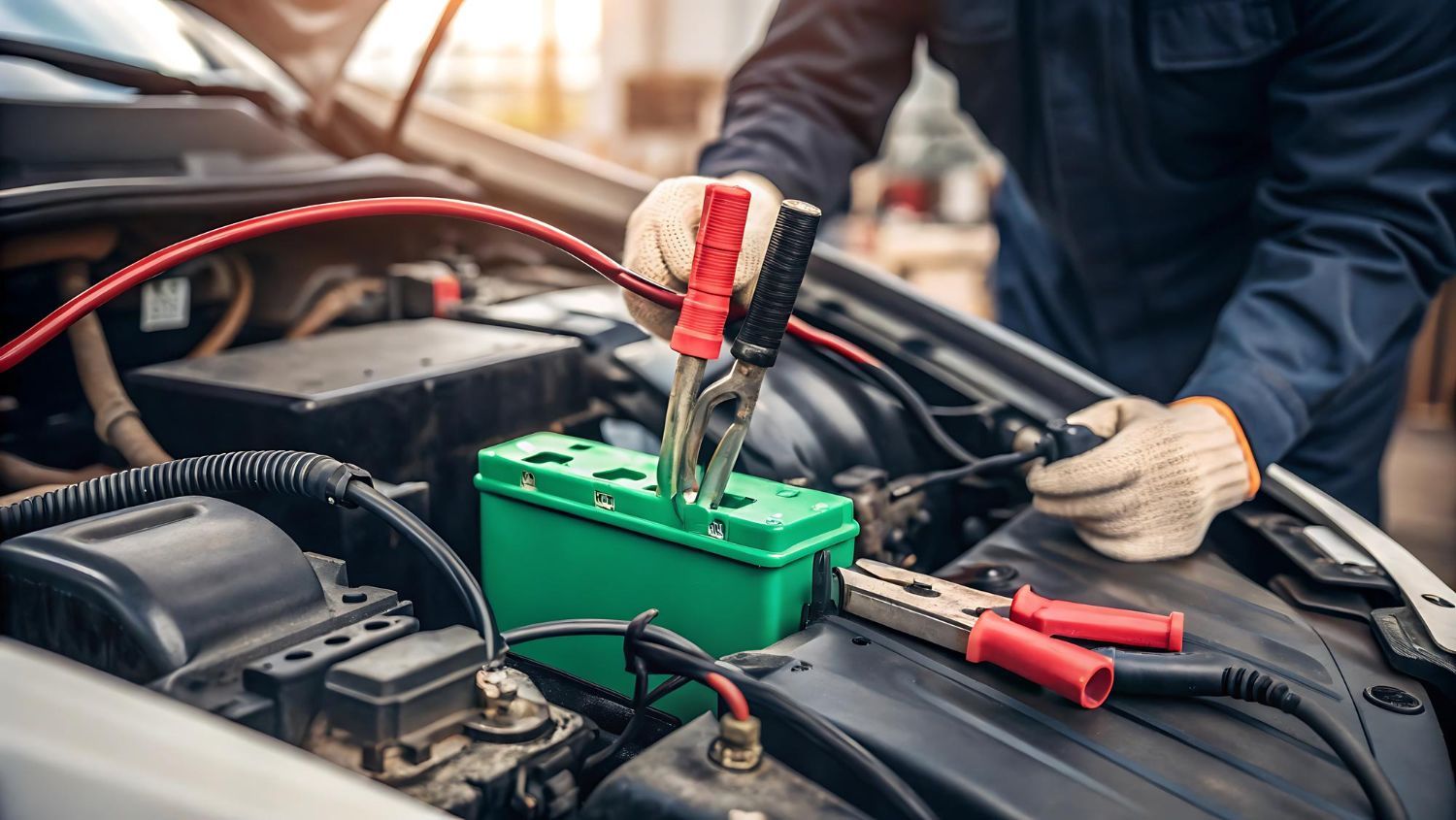
Walking out to your driveway on a freezing morning only to hear a rapid clicking sound is a frustrating start to any day. Sudden temperature drops act as a harsh stress test for your vehicle, exposing weaknesses that were easily hidden during the warmer months. The diagnostic team at Corse Automotive sees a massive spike in starting problems the moment the first real cold snap hits our area. Waiting for a failure to happen leaves you stranded, which makes understanding a car battery drain winter scenario incredibly important.
A battery does not suddenly go bad overnight just because the weather changed. The cold simply reveals the gradual degradation that has been occurring inside the casing all year long. This breakdown explores the chemical realities of cold-weather starting and why getting your electrical systems checked early prevents tow truck calls.
Here is a look at what we will cover:
- The chemical impact of freezing temperatures
- Identifying hidden parasitic power draws
- The relationship between the alternator and starting power
- Preventative testing steps
The Chemical Impact of Freezing Temperatures
To understand why a car battery keeps dying in the cold, you have to look at how it generates power. Batteries rely on a liquid chemical reaction to produce the electrical current needed to spin the starter motor. When temperatures drop below freezing, this chemical reaction slows down dramatically, reducing the battery's overall cranking power by up to half. At the exact same time, the cold thickens your engine oil, meaning the starter requires significantly more power to turn the engine over. This double penalty is why a weak battery that worked perfectly in September will fail completely in December.
Uncovering a Car Battery Drain Winter Crisis
Sometimes the battery itself is perfectly healthy, but a hidden fault is constantly pulling power while the vehicle is parked. This is known as a parasitic draw. Minor electrical issues, like a faulty relay or a glove box light that stays on, pull a tiny amount of voltage overnight. During the summer, the battery has enough reserve capacity to handle this drain and still start the car. The winter scenario is much worse because the reduced cold-weather capacity means that same tiny draw easily empties the battery before morning.
The Alternator's Role in Winter Recovery
Your starting system relies on the alternator to recharge the voltage spent getting the engine running. Winter driving in Cambridge often involves running the heater, the rear defroster, the headlights, and the windshield wipers all at once. If your alternator is struggling, it may not produce enough excess voltage to run these accessories and recharge the battery simultaneously. Incorporating an electrical output test into your seasonal tune-ups ensures the alternator can handle the heavy accessory load of winter commuting.
Checking Connections and Grounds
Corrosion on the battery terminals acts as a physical wall that blocks the flow of electricity. A thin layer of white or blue crust on the posts can easily prevent the starter from receiving the voltage it needs, even if the battery is fully charged. Thorough engine services include cleaning these terminals and checking the ground wires connected to the chassis. A clean, tight connection ensures maximum power transfer when you turn the key on a sub-zero morning.
Securing Reliable Winter Starts
Testing your charging capacity before the frost sets in completely changes your winter driving experience. Finding a weak cell or a parasitic draw in a warm shop is far better than dealing with jumper cables in a dark parking lot. Take control of your winter preparation by having your starting and charging systems professionally measured. Call our shop to arrange a thorough electrical test and face the cold weather with complete confidence.
Share This Blog